Harvesting lavender from the garden allows you to harness its calming qualities to enjoy for months on end. Depending on the project, lavender can be used fresh or dry. To capture its essential oils and preserve its fragrance, lavender is best harvested in the morning after the dew has dried, but before the heat of the day. Aim to cut the stems just as the flowers begin to open, as this is when they are most fragrant and contain the highest concentration of oils. Drying lavender is a straightforward process that ensures the flowers retain their color and aroma. Bundle 10-15 stems together and secure them with a rubber band or string. Hang the bundles upside down in a dark, dry, and well-ventilated area for about two weeks. This method preserves the essential oils and prevents mold growth. Once your lavender is dried, it can be used in a variety of ways that make the most of its delightful aroma and therapeutic qualities. Whether you are an experienced gardener or a crafting enthusiast, these projects offer a rewarding way to enjoy the many benefits of lavender.
1. Lavender Oil
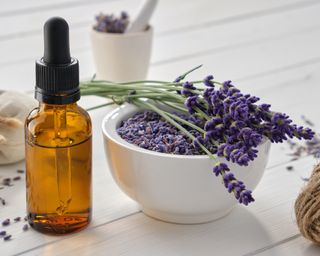
Infusing oil with lavender is a great way to preserve the flowers’ aroma for long periods. Lavender oil is the most widely used essential oil and has numerous therapeutic qualities, including promoting restful sleep and acting as an antioxidant and anti-inflammatory. Making essential oils is easy to do and the resulting product can be used in the bath, in cosmetics, or in oil diffusers.
2. Linen Water
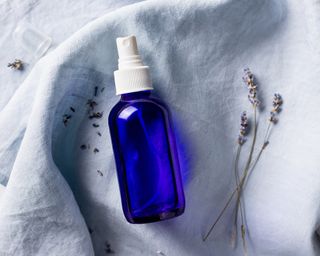
Once you have made your own lavender essential oil, you can use it to make lavender water – this is ideal for use when ironing, as it imparts a delicious fragrance. Alternatively, leave out the alcohol and add it to a spray bottle to use as a refreshing face and hair mist.
3. Therapeutic Teabags
Lavender tea is a wonderful bedtime drink, aiding peaceful sleep, calming nerves, and even easing headaches. While you can make tea using flowers fresh from the garden, turning dried lavender into tea bags is an enjoyable craft. Only the lavender flowers are suitable for turning into tea, so don’t use the foliage. The flowers will need to be dry, otherwise they will go moldy in the teabag. If you like, you can combine lavender with other therapeutic flowers or herbs, such as chamomile or rosemary.
4. Sugar Syrup
Lavender syrup makes a delicious addition to cocktails and soft drinks. It’s very easy to make, but the syrup will be extremely hot while being boiled, so take health and safety precautions.
5. Lavender Sachets
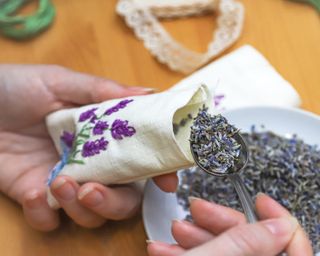
Lavender sachets are perfect for freshening up clothes drawers. They are made with the addition of rice, which adds weight to the sachets and absorbs the intense aromas. The sachets can even be warmed in the microwave to make a therapeutic heating pad that soothes aches and pains.
6. Summer Wreath
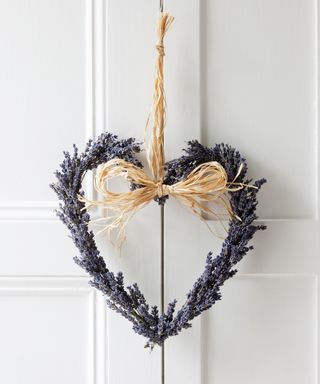
Make a lavender wreath to add a pretty, summery touch to your front door. Use freshly harvested lavender, so it dries in its wreath shape. Harvest stems just before the flowers begin to open in full.
7. Lavender Wand
A hand-woven lavender wand is a traditional French handicraft that can be used to add a decorative fragrant touch to rooms, or even hung in closets as a moth repellent. They are made by weaving the stems together with ribbon, which then acts as a cage for holding the flowers inside.
8. Bath Salts
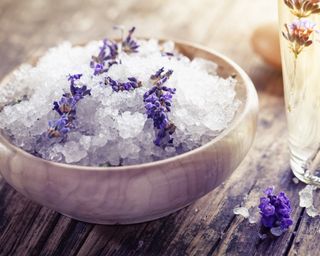
Soothe aching muscles and relax at the end of the day in a lavender-infused bathtub. It’s easy to make your own spa-inspired bath salts, and they can also be added to a mason jar to give as a gift.



title: “8 Lavender Craft Ideas To Savor Your Garden Harvest” ShowToc: true date: “2024-10-11” author: “David Szocki”
Harvesting lavender from the garden allows you to harness its calming qualities to enjoy for months on end. Depending on the project, lavender can be used fresh or dry. To capture its essential oils and preserve its fragrance, lavender is best harvested in the morning after the dew has dried, but before the heat of the day. Aim to cut the stems just as the flowers begin to open, as this is when they are most fragrant and contain the highest concentration of oils. Drying lavender is a straightforward process that ensures the flowers retain their color and aroma. Bundle 10-15 stems together and secure them with a rubber band or string. Hang the bundles upside down in a dark, dry, and well-ventilated area for about two weeks. This method preserves the essential oils and prevents mold growth. Once your lavender is dried, it can be used in a variety of ways that make the most of its delightful aroma and therapeutic qualities. Whether you are an experienced gardener or a crafting enthusiast, these projects offer a rewarding way to enjoy the many benefits of lavender.
1. Lavender Oil
Infusing oil with lavender is a great way to preserve the flowers’ aroma for long periods. Lavender oil is the most widely used essential oil and has numerous therapeutic qualities, including promoting restful sleep and acting as an antioxidant and anti-inflammatory. Making essential oils is easy to do and the resulting product can be used in the bath, in cosmetics, or in oil diffusers.
2. Linen Water
Once you have made your own lavender essential oil, you can use it to make lavender water – this is ideal for use when ironing, as it imparts a delicious fragrance. Alternatively, leave out the alcohol and add it to a spray bottle to use as a refreshing face and hair mist.
3. Therapeutic Teabags
Lavender tea is a wonderful bedtime drink, aiding peaceful sleep, calming nerves, and even easing headaches. While you can make tea using flowers fresh from the garden, turning dried lavender into tea bags is an enjoyable craft. Only the lavender flowers are suitable for turning into tea, so don’t use the foliage. The flowers will need to be dry, otherwise they will go moldy in the teabag. If you like, you can combine lavender with other therapeutic flowers or herbs, such as chamomile or rosemary.
4. Sugar Syrup
Lavender syrup makes a delicious addition to cocktails and soft drinks. It’s very easy to make, but the syrup will be extremely hot while being boiled, so take health and safety precautions.
5. Lavender Sachets
Lavender sachets are perfect for freshening up clothes drawers. They are made with the addition of rice, which adds weight to the sachets and absorbs the intense aromas. The sachets can even be warmed in the microwave to make a therapeutic heating pad that soothes aches and pains.
6. Summer Wreath
Make a lavender wreath to add a pretty, summery touch to your front door. Use freshly harvested lavender, so it dries in its wreath shape. Harvest stems just before the flowers begin to open in full.
7. Lavender Wand
A hand-woven lavender wand is a traditional French handicraft that can be used to add a decorative fragrant touch to rooms, or even hung in closets as a moth repellent. They are made by weaving the stems together with ribbon, which then acts as a cage for holding the flowers inside.
8. Bath Salts
Soothe aching muscles and relax at the end of the day in a lavender-infused bathtub. It’s easy to make your own spa-inspired bath salts, and they can also be added to a mason jar to give as a gift.
title: “8 Lavender Craft Ideas To Savor Your Garden Harvest” ShowToc: true date: “2024-09-30” author: “Pedro Tippens”
Harvesting lavender from the garden allows you to harness its calming qualities to enjoy for months on end. Depending on the project, lavender can be used fresh or dry. To capture its essential oils and preserve its fragrance, lavender is best harvested in the morning after the dew has dried, but before the heat of the day. Aim to cut the stems just as the flowers begin to open, as this is when they are most fragrant and contain the highest concentration of oils. Drying lavender is a straightforward process that ensures the flowers retain their color and aroma. Bundle 10-15 stems together and secure them with a rubber band or string. Hang the bundles upside down in a dark, dry, and well-ventilated area for about two weeks. This method preserves the essential oils and prevents mold growth. Once your lavender is dried, it can be used in a variety of ways that make the most of its delightful aroma and therapeutic qualities. Whether you are an experienced gardener or a crafting enthusiast, these projects offer a rewarding way to enjoy the many benefits of lavender.
1. Lavender Oil
Infusing oil with lavender is a great way to preserve the flowers’ aroma for long periods. Lavender oil is the most widely used essential oil and has numerous therapeutic qualities, including promoting restful sleep and acting as an antioxidant and anti-inflammatory. Making essential oils is easy to do and the resulting product can be used in the bath, in cosmetics, or in oil diffusers.
2. Linen Water
Once you have made your own lavender essential oil, you can use it to make lavender water – this is ideal for use when ironing, as it imparts a delicious fragrance. Alternatively, leave out the alcohol and add it to a spray bottle to use as a refreshing face and hair mist.
3. Therapeutic Teabags
Lavender tea is a wonderful bedtime drink, aiding peaceful sleep, calming nerves, and even easing headaches. While you can make tea using flowers fresh from the garden, turning dried lavender into tea bags is an enjoyable craft. Only the lavender flowers are suitable for turning into tea, so don’t use the foliage. The flowers will need to be dry, otherwise they will go moldy in the teabag. If you like, you can combine lavender with other therapeutic flowers or herbs, such as chamomile or rosemary.
4. Sugar Syrup
Lavender syrup makes a delicious addition to cocktails and soft drinks. It’s very easy to make, but the syrup will be extremely hot while being boiled, so take health and safety precautions.
5. Lavender Sachets
Lavender sachets are perfect for freshening up clothes drawers. They are made with the addition of rice, which adds weight to the sachets and absorbs the intense aromas. The sachets can even be warmed in the microwave to make a therapeutic heating pad that soothes aches and pains.
6. Summer Wreath
Make a lavender wreath to add a pretty, summery touch to your front door. Use freshly harvested lavender, so it dries in its wreath shape. Harvest stems just before the flowers begin to open in full.
7. Lavender Wand
A hand-woven lavender wand is a traditional French handicraft that can be used to add a decorative fragrant touch to rooms, or even hung in closets as a moth repellent. They are made by weaving the stems together with ribbon, which then acts as a cage for holding the flowers inside.
8. Bath Salts
Soothe aching muscles and relax at the end of the day in a lavender-infused bathtub. It’s easy to make your own spa-inspired bath salts, and they can also be added to a mason jar to give as a gift.
title: “8 Lavender Craft Ideas To Savor Your Garden Harvest” ShowToc: true date: “2024-09-12” author: “Erin Stepro”
Harvesting lavender from the garden allows you to harness its calming qualities to enjoy for months on end. Depending on the project, lavender can be used fresh or dry. To capture its essential oils and preserve its fragrance, lavender is best harvested in the morning after the dew has dried, but before the heat of the day. Aim to cut the stems just as the flowers begin to open, as this is when they are most fragrant and contain the highest concentration of oils. Drying lavender is a straightforward process that ensures the flowers retain their color and aroma. Bundle 10-15 stems together and secure them with a rubber band or string. Hang the bundles upside down in a dark, dry, and well-ventilated area for about two weeks. This method preserves the essential oils and prevents mold growth. Once your lavender is dried, it can be used in a variety of ways that make the most of its delightful aroma and therapeutic qualities. Whether you are an experienced gardener or a crafting enthusiast, these projects offer a rewarding way to enjoy the many benefits of lavender.
1. Lavender Oil
Infusing oil with lavender is a great way to preserve the flowers’ aroma for long periods. Lavender oil is the most widely used essential oil and has numerous therapeutic qualities, including promoting restful sleep and acting as an antioxidant and anti-inflammatory. Making essential oils is easy to do and the resulting product can be used in the bath, in cosmetics, or in oil diffusers.
2. Linen Water
Once you have made your own lavender essential oil, you can use it to make lavender water – this is ideal for use when ironing, as it imparts a delicious fragrance. Alternatively, leave out the alcohol and add it to a spray bottle to use as a refreshing face and hair mist.
3. Therapeutic Teabags
Lavender tea is a wonderful bedtime drink, aiding peaceful sleep, calming nerves, and even easing headaches. While you can make tea using flowers fresh from the garden, turning dried lavender into tea bags is an enjoyable craft. Only the lavender flowers are suitable for turning into tea, so don’t use the foliage. The flowers will need to be dry, otherwise they will go moldy in the teabag. If you like, you can combine lavender with other therapeutic flowers or herbs, such as chamomile or rosemary.
4. Sugar Syrup
Lavender syrup makes a delicious addition to cocktails and soft drinks. It’s very easy to make, but the syrup will be extremely hot while being boiled, so take health and safety precautions.
5. Lavender Sachets
Lavender sachets are perfect for freshening up clothes drawers. They are made with the addition of rice, which adds weight to the sachets and absorbs the intense aromas. The sachets can even be warmed in the microwave to make a therapeutic heating pad that soothes aches and pains.
6. Summer Wreath
Make a lavender wreath to add a pretty, summery touch to your front door. Use freshly harvested lavender, so it dries in its wreath shape. Harvest stems just before the flowers begin to open in full.
7. Lavender Wand
A hand-woven lavender wand is a traditional French handicraft that can be used to add a decorative fragrant touch to rooms, or even hung in closets as a moth repellent. They are made by weaving the stems together with ribbon, which then acts as a cage for holding the flowers inside.
8. Bath Salts
Soothe aching muscles and relax at the end of the day in a lavender-infused bathtub. It’s easy to make your own spa-inspired bath salts, and they can also be added to a mason jar to give as a gift.
title: “8 Lavender Craft Ideas To Savor Your Garden Harvest” ShowToc: true date: “2024-09-04” author: “Gilberto Knight”
Harvesting lavender from the garden allows you to harness its calming qualities to enjoy for months on end. Depending on the project, lavender can be used fresh or dry. To capture its essential oils and preserve its fragrance, lavender is best harvested in the morning after the dew has dried, but before the heat of the day. Aim to cut the stems just as the flowers begin to open, as this is when they are most fragrant and contain the highest concentration of oils. Drying lavender is a straightforward process that ensures the flowers retain their color and aroma. Bundle 10-15 stems together and secure them with a rubber band or string. Hang the bundles upside down in a dark, dry, and well-ventilated area for about two weeks. This method preserves the essential oils and prevents mold growth. Once your lavender is dried, it can be used in a variety of ways that make the most of its delightful aroma and therapeutic qualities. Whether you are an experienced gardener or a crafting enthusiast, these projects offer a rewarding way to enjoy the many benefits of lavender.
1. Lavender Oil
Infusing oil with lavender is a great way to preserve the flowers’ aroma for long periods. Lavender oil is the most widely used essential oil and has numerous therapeutic qualities, including promoting restful sleep and acting as an antioxidant and anti-inflammatory. Making essential oils is easy to do and the resulting product can be used in the bath, in cosmetics, or in oil diffusers.
2. Linen Water
Once you have made your own lavender essential oil, you can use it to make lavender water – this is ideal for use when ironing, as it imparts a delicious fragrance. Alternatively, leave out the alcohol and add it to a spray bottle to use as a refreshing face and hair mist.
3. Therapeutic Teabags
Lavender tea is a wonderful bedtime drink, aiding peaceful sleep, calming nerves, and even easing headaches. While you can make tea using flowers fresh from the garden, turning dried lavender into tea bags is an enjoyable craft. Only the lavender flowers are suitable for turning into tea, so don’t use the foliage. The flowers will need to be dry, otherwise they will go moldy in the teabag. If you like, you can combine lavender with other therapeutic flowers or herbs, such as chamomile or rosemary.
4. Sugar Syrup
Lavender syrup makes a delicious addition to cocktails and soft drinks. It’s very easy to make, but the syrup will be extremely hot while being boiled, so take health and safety precautions.
5. Lavender Sachets
Lavender sachets are perfect for freshening up clothes drawers. They are made with the addition of rice, which adds weight to the sachets and absorbs the intense aromas. The sachets can even be warmed in the microwave to make a therapeutic heating pad that soothes aches and pains.
6. Summer Wreath
Make a lavender wreath to add a pretty, summery touch to your front door. Use freshly harvested lavender, so it dries in its wreath shape. Harvest stems just before the flowers begin to open in full.
7. Lavender Wand
A hand-woven lavender wand is a traditional French handicraft that can be used to add a decorative fragrant touch to rooms, or even hung in closets as a moth repellent. They are made by weaving the stems together with ribbon, which then acts as a cage for holding the flowers inside.
8. Bath Salts
Soothe aching muscles and relax at the end of the day in a lavender-infused bathtub. It’s easy to make your own spa-inspired bath salts, and they can also be added to a mason jar to give as a gift.
title: “8 Lavender Craft Ideas To Savor Your Garden Harvest” ShowToc: true date: “2024-08-30” author: “Clifford Mcallister”
Harvesting lavender from the garden allows you to harness its calming qualities to enjoy for months on end. Depending on the project, lavender can be used fresh or dry. To capture its essential oils and preserve its fragrance, lavender is best harvested in the morning after the dew has dried, but before the heat of the day. Aim to cut the stems just as the flowers begin to open, as this is when they are most fragrant and contain the highest concentration of oils. Drying lavender is a straightforward process that ensures the flowers retain their color and aroma. Bundle 10-15 stems together and secure them with a rubber band or string. Hang the bundles upside down in a dark, dry, and well-ventilated area for about two weeks. This method preserves the essential oils and prevents mold growth. Once your lavender is dried, it can be used in a variety of ways that make the most of its delightful aroma and therapeutic qualities. Whether you are an experienced gardener or a crafting enthusiast, these projects offer a rewarding way to enjoy the many benefits of lavender.
1. Lavender Oil
Infusing oil with lavender is a great way to preserve the flowers’ aroma for long periods. Lavender oil is the most widely used essential oil and has numerous therapeutic qualities, including promoting restful sleep and acting as an antioxidant and anti-inflammatory. Making essential oils is easy to do and the resulting product can be used in the bath, in cosmetics, or in oil diffusers.
2. Linen Water
Once you have made your own lavender essential oil, you can use it to make lavender water – this is ideal for use when ironing, as it imparts a delicious fragrance. Alternatively, leave out the alcohol and add it to a spray bottle to use as a refreshing face and hair mist.
3. Therapeutic Teabags
Lavender tea is a wonderful bedtime drink, aiding peaceful sleep, calming nerves, and even easing headaches. While you can make tea using flowers fresh from the garden, turning dried lavender into tea bags is an enjoyable craft. Only the lavender flowers are suitable for turning into tea, so don’t use the foliage. The flowers will need to be dry, otherwise they will go moldy in the teabag. If you like, you can combine lavender with other therapeutic flowers or herbs, such as chamomile or rosemary.
4. Sugar Syrup
Lavender syrup makes a delicious addition to cocktails and soft drinks. It’s very easy to make, but the syrup will be extremely hot while being boiled, so take health and safety precautions.
5. Lavender Sachets
Lavender sachets are perfect for freshening up clothes drawers. They are made with the addition of rice, which adds weight to the sachets and absorbs the intense aromas. The sachets can even be warmed in the microwave to make a therapeutic heating pad that soothes aches and pains.
6. Summer Wreath
Make a lavender wreath to add a pretty, summery touch to your front door. Use freshly harvested lavender, so it dries in its wreath shape. Harvest stems just before the flowers begin to open in full.
7. Lavender Wand
A hand-woven lavender wand is a traditional French handicraft that can be used to add a decorative fragrant touch to rooms, or even hung in closets as a moth repellent. They are made by weaving the stems together with ribbon, which then acts as a cage for holding the flowers inside.
8. Bath Salts
Soothe aching muscles and relax at the end of the day in a lavender-infused bathtub. It’s easy to make your own spa-inspired bath salts, and they can also be added to a mason jar to give as a gift.
title: “8 Lavender Craft Ideas To Savor Your Garden Harvest” ShowToc: true date: “2024-09-13” author: “Olive Balderama”
Harvesting lavender from the garden allows you to harness its calming qualities to enjoy for months on end. Depending on the project, lavender can be used fresh or dry. To capture its essential oils and preserve its fragrance, lavender is best harvested in the morning after the dew has dried, but before the heat of the day. Aim to cut the stems just as the flowers begin to open, as this is when they are most fragrant and contain the highest concentration of oils. Drying lavender is a straightforward process that ensures the flowers retain their color and aroma. Bundle 10-15 stems together and secure them with a rubber band or string. Hang the bundles upside down in a dark, dry, and well-ventilated area for about two weeks. This method preserves the essential oils and prevents mold growth. Once your lavender is dried, it can be used in a variety of ways that make the most of its delightful aroma and therapeutic qualities. Whether you are an experienced gardener or a crafting enthusiast, these projects offer a rewarding way to enjoy the many benefits of lavender.
1. Lavender Oil
Infusing oil with lavender is a great way to preserve the flowers’ aroma for long periods. Lavender oil is the most widely used essential oil and has numerous therapeutic qualities, including promoting restful sleep and acting as an antioxidant and anti-inflammatory. Making essential oils is easy to do and the resulting product can be used in the bath, in cosmetics, or in oil diffusers.
2. Linen Water
Once you have made your own lavender essential oil, you can use it to make lavender water – this is ideal for use when ironing, as it imparts a delicious fragrance. Alternatively, leave out the alcohol and add it to a spray bottle to use as a refreshing face and hair mist.
3. Therapeutic Teabags
Lavender tea is a wonderful bedtime drink, aiding peaceful sleep, calming nerves, and even easing headaches. While you can make tea using flowers fresh from the garden, turning dried lavender into tea bags is an enjoyable craft. Only the lavender flowers are suitable for turning into tea, so don’t use the foliage. The flowers will need to be dry, otherwise they will go moldy in the teabag. If you like, you can combine lavender with other therapeutic flowers or herbs, such as chamomile or rosemary.
4. Sugar Syrup
Lavender syrup makes a delicious addition to cocktails and soft drinks. It’s very easy to make, but the syrup will be extremely hot while being boiled, so take health and safety precautions.
5. Lavender Sachets
Lavender sachets are perfect for freshening up clothes drawers. They are made with the addition of rice, which adds weight to the sachets and absorbs the intense aromas. The sachets can even be warmed in the microwave to make a therapeutic heating pad that soothes aches and pains.
6. Summer Wreath
Make a lavender wreath to add a pretty, summery touch to your front door. Use freshly harvested lavender, so it dries in its wreath shape. Harvest stems just before the flowers begin to open in full.
7. Lavender Wand
A hand-woven lavender wand is a traditional French handicraft that can be used to add a decorative fragrant touch to rooms, or even hung in closets as a moth repellent. They are made by weaving the stems together with ribbon, which then acts as a cage for holding the flowers inside.
8. Bath Salts
Soothe aching muscles and relax at the end of the day in a lavender-infused bathtub. It’s easy to make your own spa-inspired bath salts, and they can also be added to a mason jar to give as a gift.
title: “8 Lavender Craft Ideas To Savor Your Garden Harvest” ShowToc: true date: “2024-09-11” author: “Nelda Lamons”
Harvesting lavender from the garden allows you to harness its calming qualities to enjoy for months on end. Depending on the project, lavender can be used fresh or dry. To capture its essential oils and preserve its fragrance, lavender is best harvested in the morning after the dew has dried, but before the heat of the day. Aim to cut the stems just as the flowers begin to open, as this is when they are most fragrant and contain the highest concentration of oils. Drying lavender is a straightforward process that ensures the flowers retain their color and aroma. Bundle 10-15 stems together and secure them with a rubber band or string. Hang the bundles upside down in a dark, dry, and well-ventilated area for about two weeks. This method preserves the essential oils and prevents mold growth. Once your lavender is dried, it can be used in a variety of ways that make the most of its delightful aroma and therapeutic qualities. Whether you are an experienced gardener or a crafting enthusiast, these projects offer a rewarding way to enjoy the many benefits of lavender.
1. Lavender Oil
Infusing oil with lavender is a great way to preserve the flowers’ aroma for long periods. Lavender oil is the most widely used essential oil and has numerous therapeutic qualities, including promoting restful sleep and acting as an antioxidant and anti-inflammatory. Making essential oils is easy to do and the resulting product can be used in the bath, in cosmetics, or in oil diffusers.
2. Linen Water
Once you have made your own lavender essential oil, you can use it to make lavender water – this is ideal for use when ironing, as it imparts a delicious fragrance. Alternatively, leave out the alcohol and add it to a spray bottle to use as a refreshing face and hair mist.
3. Therapeutic Teabags
Lavender tea is a wonderful bedtime drink, aiding peaceful sleep, calming nerves, and even easing headaches. While you can make tea using flowers fresh from the garden, turning dried lavender into tea bags is an enjoyable craft. Only the lavender flowers are suitable for turning into tea, so don’t use the foliage. The flowers will need to be dry, otherwise they will go moldy in the teabag. If you like, you can combine lavender with other therapeutic flowers or herbs, such as chamomile or rosemary.
4. Sugar Syrup
Lavender syrup makes a delicious addition to cocktails and soft drinks. It’s very easy to make, but the syrup will be extremely hot while being boiled, so take health and safety precautions.
5. Lavender Sachets
Lavender sachets are perfect for freshening up clothes drawers. They are made with the addition of rice, which adds weight to the sachets and absorbs the intense aromas. The sachets can even be warmed in the microwave to make a therapeutic heating pad that soothes aches and pains.
6. Summer Wreath
Make a lavender wreath to add a pretty, summery touch to your front door. Use freshly harvested lavender, so it dries in its wreath shape. Harvest stems just before the flowers begin to open in full.
7. Lavender Wand
A hand-woven lavender wand is a traditional French handicraft that can be used to add a decorative fragrant touch to rooms, or even hung in closets as a moth repellent. They are made by weaving the stems together with ribbon, which then acts as a cage for holding the flowers inside.
8. Bath Salts
Soothe aching muscles and relax at the end of the day in a lavender-infused bathtub. It’s easy to make your own spa-inspired bath salts, and they can also be added to a mason jar to give as a gift.
title: “8 Lavender Craft Ideas To Savor Your Garden Harvest” ShowToc: true date: “2024-09-18” author: “Shane Page”
Harvesting lavender from the garden allows you to harness its calming qualities to enjoy for months on end. Depending on the project, lavender can be used fresh or dry. To capture its essential oils and preserve its fragrance, lavender is best harvested in the morning after the dew has dried, but before the heat of the day. Aim to cut the stems just as the flowers begin to open, as this is when they are most fragrant and contain the highest concentration of oils. Drying lavender is a straightforward process that ensures the flowers retain their color and aroma. Bundle 10-15 stems together and secure them with a rubber band or string. Hang the bundles upside down in a dark, dry, and well-ventilated area for about two weeks. This method preserves the essential oils and prevents mold growth. Once your lavender is dried, it can be used in a variety of ways that make the most of its delightful aroma and therapeutic qualities. Whether you are an experienced gardener or a crafting enthusiast, these projects offer a rewarding way to enjoy the many benefits of lavender.
1. Lavender Oil
Infusing oil with lavender is a great way to preserve the flowers’ aroma for long periods. Lavender oil is the most widely used essential oil and has numerous therapeutic qualities, including promoting restful sleep and acting as an antioxidant and anti-inflammatory. Making essential oils is easy to do and the resulting product can be used in the bath, in cosmetics, or in oil diffusers.
2. Linen Water
Once you have made your own lavender essential oil, you can use it to make lavender water – this is ideal for use when ironing, as it imparts a delicious fragrance. Alternatively, leave out the alcohol and add it to a spray bottle to use as a refreshing face and hair mist.
3. Therapeutic Teabags
Lavender tea is a wonderful bedtime drink, aiding peaceful sleep, calming nerves, and even easing headaches. While you can make tea using flowers fresh from the garden, turning dried lavender into tea bags is an enjoyable craft. Only the lavender flowers are suitable for turning into tea, so don’t use the foliage. The flowers will need to be dry, otherwise they will go moldy in the teabag. If you like, you can combine lavender with other therapeutic flowers or herbs, such as chamomile or rosemary.
4. Sugar Syrup
Lavender syrup makes a delicious addition to cocktails and soft drinks. It’s very easy to make, but the syrup will be extremely hot while being boiled, so take health and safety precautions.
5. Lavender Sachets
Lavender sachets are perfect for freshening up clothes drawers. They are made with the addition of rice, which adds weight to the sachets and absorbs the intense aromas. The sachets can even be warmed in the microwave to make a therapeutic heating pad that soothes aches and pains.
6. Summer Wreath
Make a lavender wreath to add a pretty, summery touch to your front door. Use freshly harvested lavender, so it dries in its wreath shape. Harvest stems just before the flowers begin to open in full.
7. Lavender Wand
A hand-woven lavender wand is a traditional French handicraft that can be used to add a decorative fragrant touch to rooms, or even hung in closets as a moth repellent. They are made by weaving the stems together with ribbon, which then acts as a cage for holding the flowers inside.
8. Bath Salts
Soothe aching muscles and relax at the end of the day in a lavender-infused bathtub. It’s easy to make your own spa-inspired bath salts, and they can also be added to a mason jar to give as a gift.
